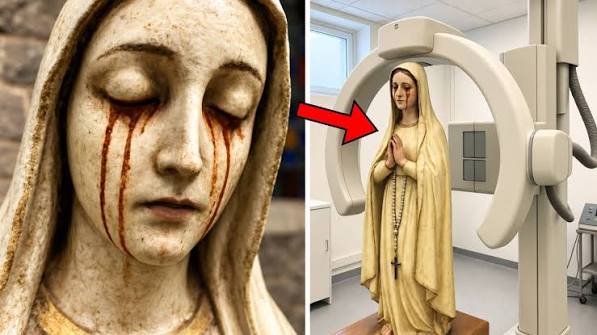
Every morning, Thomas Miller discovered reddish-brown streaks running down the bronze face of the Virgin Mary statue in St. Jude’s Cathedral. Having cared for the historic building for years, he initially blamed the damp air. But no matter how often he cleaned the sculpture, the strange marks returned.
Then Thomas noticed something even more unsettling: a tiny droplet of rusty liquid forming beneath the statue’s left eye.
No leaking roof or damaged pipe. The moisture seemed to be coming from inside the bronze itself.
Concerned about the sculpture’s condition, the cathedral administration contacted Clara Bennett, an experienced art conservator. Under powerful examination lights, she discovered fine cracks around the eyes. Old bronze statues sometimes contain iron supports that corrode when exposed to moisture, producing reddish liquid.
But another discovery raised new questions.
Near the statue’s base, Clara found traces of an old repair hidden beneath the bronze finish. The cathedral’s maintenance records contained no information about it. What had someone concealed inside the sculpture, and why?
To investigate without damaging the artwork, Clara arranged for an X-ray examination at a specialist laboratory. Thomas accompanied the statue, hoping to learn the truth.
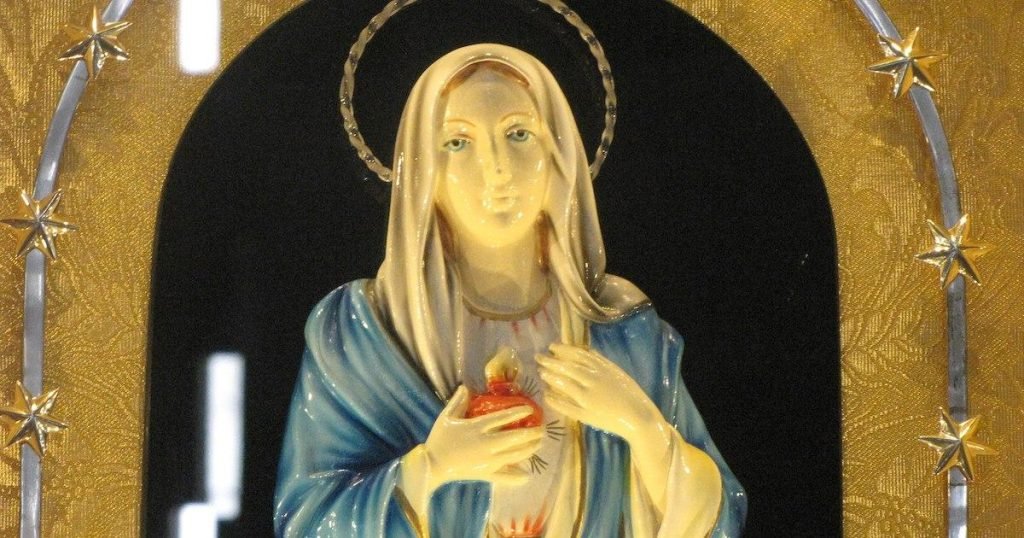
At first, the technicians expected to find ordinary metal supports. Instead, the images revealed several precisely shaped objects inside the hollow body.
One technician adjusted the contrast and stared at the screen. His expression changed immediately. He ordered everyone to evacuate the laboratory.
Emergency specialists secured the area and examined the scans. The objects appeared to be sealed steel canisters dating from the Second World War. Further investigation delivered a shocking revelation: the containers held sulfur mustard, a highly toxic chemical warfare agent commonly known as mustard gas.
The dangerous substance had apparently remained hidden inside the religious sculpture for decades.
Investigators searched historical archives and discovered that the statue had been donated to the cathedral after a postwar estate clearance. The clergy had accepted it without knowing what its hollow interior contained.
Authorities suspected that someone had concealed the canisters inside the bronze shell, sealed the base, and passed the sculpture on as an ordinary religious artifact. Who was responsible, and why the statue had been chosen, remained unanswered questions.
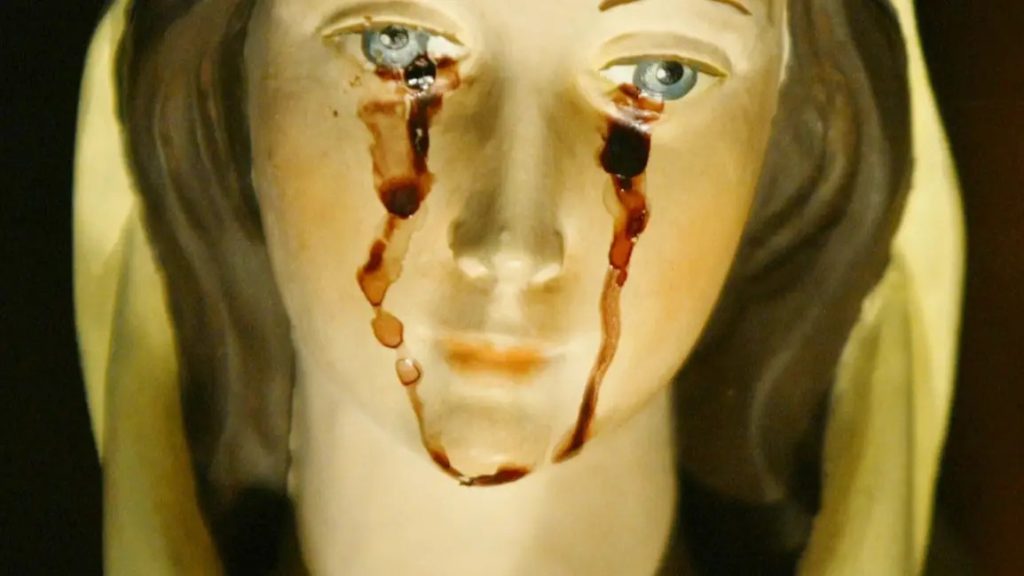
Meanwhile, Clara solved the mystery of the rusty tears. Moisture had reached an iron support inside the statue’s head, allowing rust-colored liquid to escape through tiny cracks near the eye.
No supernatural phenomenon had been at work—only corrosion.
Yet this ordinary process had exposed a potentially deadly secret. Without those strange stains, the hidden containers might have remained undetected for years.
After specialists removed the hazardous material and the sculpture underwent professional restoration, they returned the statue to the cathedral.
Its bronze face was clean and dry again. But the discovery left behind a chilling lesson: sometimes, the smallest unexplained detail can reveal a danger concealed for generations.
 Discuss
More news
Discuss
More news